
- Selamat datang di website PT Fiqry Jaya Manunggal. Semoga anda senantiasa sehat afiat. Kami siap melayani anda
Understanding Tribology
The Science of Friction, Wear, and Lubrication
Introduction to Tribology
Tribology, a branch of engineering and science, is the study of friction, wear, and lubrication. It plays a critical role in modern industries by improving machinery efficiency, reducing energy consumption, and enhancing durability. The term “tribology” is derived from the Greek word “tribos,” meaning “rubbing,” combined with “-logy,” signifying “the study of.”
Tribology is a multidisciplinary field, blending physics, chemistry, materials science, and mechanical engineering to address real-world challenges. From industrial machinery to everyday objects, tribology is central to improving performance and sustainability.
Friction: A Double-Edged Sword
Friction is the resistance encountered when two surfaces slide or move against each other. While it is sometimes seen as a hindrance due to the energy it dissipates, friction is also necessary in many contexts.
- High Friction Applications: Friction is indispensable for processes like walking, gripping objects, or the operation of brakes and clutches. For example, the friction between a car’s tires and the road ensures safety by preventing skidding.
- Low Friction Applications: Conversely, minimizing friction is critical for components like engines, bearings, and watches, where smooth, efficient movement is required to reduce wear and conserve energy.
Understanding the principles of friction enables engineers to design systems that balance efficiency and functionality, ensuring both reliability and energy conservation.
Wear: The Unseen Cost of Movement
Wear is the gradual removal of material from a surface due to mechanical action, such as sliding, rolling, or impact. It is an inevitable process but can be managed to minimize damage and extend the life of components.
Common examples of wear include:
- Coins losing their engravings due to frequent handling.
- Pencils wearing down through repeated writing.
- Rail tracks degrading from the constant passage of trains.
The study of wear involves identifying the underlying mechanisms, such as abrasion, adhesion, fatigue, and corrosion. Innovations in wear-resistant materials and coatings have significantly reduced the impact of wear, improving the lifespan and reliability of equipment across industries.
Lubrication: Reducing Friction and Wear
Lubrication is the process of applying a substance, such as oil or grease, between moving surfaces to reduce friction and wear. This practice has been used for thousands of years, with ancient Egyptians employing lubricants to move heavy stone blocks.
Today, lubrication is far more advanced, focusing on optimizing machinery performance and extending operational life. Effective lubrication achieves the following:
- Minimized Wear: By reducing the direct contact between surfaces, lubrication prevents excessive material loss and damage.
- Improved Efficiency: Lubricants allow components to move smoothly, reducing energy loss and heat generation.
- Extended Maintenance Intervals: High-quality lubrication reduces the frequency of maintenance, lowering operational costs.
Modern tribologists analyze and develop lubricants using sophisticated techniques like spectroscopy and ferrography, ensuring optimal performance for various applications.
Applications of Tribology in Modern Industry
Tribology has a profound impact on multiple sectors, including:
- Automotive: Reducing engine friction to enhance fuel efficiency and minimize emissions.
- Manufacturing: Ensuring smooth operation of machines to prevent costly downtimes.
- Aerospace: Developing lightweight, durable materials and lubricants for high-performance systems.
- Energy: Optimizing wind turbines, hydropower systems, and other renewable energy technologies.
The Future of Tribology
As industries strive to reduce environmental impact, tribology offers innovative solutions for energy conservation and sustainability. By improving material design and developing advanced lubricants, tribologists are enabling greener, more efficient systems.
For example, in electric vehicles (EVs), minimizing friction in drivetrains can extend battery life and increase range. Similarly, in renewable energy systems, reducing wear in wind turbine gears ensures long-term reliability and performance.
Conclusion
Tribology is a cornerstone of modern engineering, transforming the way industries approach machinery efficiency, energy conservation, and durability. By mastering the principles of friction, wear, and lubrication, engineers can design systems that are not only high-performing but also sustainable.
The field of tribology continues to evolve, offering new insights and technologies to address the challenges of a rapidly changing world. Whether in the automotive, manufacturing, or energy sectors, the impact of tribology is undeniable, making it an essential area of study for innovation and progress.
Understanding Tribology

5 Kebiasaan Pagi yang Meningkatkan Fokus
Selamat pagi! Bagaimana Anda memulai hari ini? Bagi sebagian besar profesional, pagi seringkali dimulai dengan terburu-buru, notifikasi ponsel, dan secangkir kopi yang tergesa-gesa. Sayangnya, memulai hari dengan kondisi mental yang reaktif seperti ini dapat merusak konsentrasi dan kemampuan fokus Anda sepanjang hari. Oleh karena itu, penting untuk memiliki kontrol atas rutinitas awal Anda. Kabar baiknya,…

Penerapan 3D Modelling Monitoring Proyek Real-Time (BIM & Digital Twin)
3D Modelling untuk Monitoring Proyek Secara Real-Time Industri konstruksi dan rekayasa, yang secara tradisional dikenal lamban dalam mengadopsi teknologi digital, kini berada di ambang revolusi besar. Tantangan terbesar dalam manajemen proyek besar adalah kurangnya visibilitas real-time: keterlambatan terdeteksi setelah terjadi, dan konflik desain baru ditemukan di lapangan. Oleh karena itu, teknologi 3D Modelling monitoring proyek…

Pengenalan Basis Data: Apa Itu dan Mengapa Penting?
Basis data adalah kumpulan data yang disusun dan dikelola untuk memungkinkan penyimpanan, pengambilan, pembaruan, dan pengelolaan data dengan cara yang efisien dan terstruktur. Tanpa basis data, aplikasi modern seperti situs web e-commerce, aplikasi mobile, dan sistem manajemen inventaris tidak dapat berfungsi dengan baik. Oleh karena itu, pemahaman tentang basis data sangat penting dalam pengembangan perangkat…
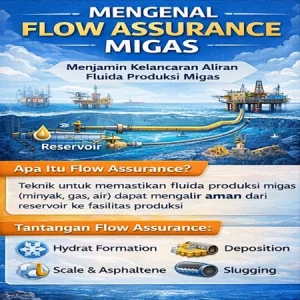
Pipeline Flow Assurance
Dalam industri minyak dan gas bumi (migas), keberhasilan produksi tidak hanya ditentukan oleh besarnya cadangan hidrokarbon, tetapi juga oleh kemampuan sistem untuk mengalirkan fluida dari reservoir hingga fasilitas pemrosesan secara aman dan berkelanjutan. Salah satu disiplin teknik yang berperan penting dalam memastikan kelancaran aliran tersebut adalah Pipeline Flow Assurance. Karena itu mengenal Flow Assurance Migas…
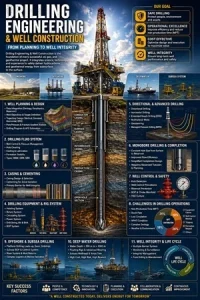
Drilling Engineering Well Construction
Drilling Engineering & Well Construction: From Planning to Well Integrity Dalam industri energi, khususnya minyak, gas, dan geothermal, kegiatan drilling engineering & well construction merupakan tahap awal yang sangat menentukan keberhasilan seluruh siklus produksi. Tanpa desain dan eksekusi pengeboran yang tepat, reservoir yang memiliki potensi besar sekalipun tidak akan dapat dimanfaatkan secara optimal. Pengeboran bukan…

Analisis Dampak Perubahan Iklim Industri
Analisis Dampak Perubahan Iklim Terhadap Operasional Industri Perubahan iklim bukan lagi ancaman hipotetis di masa depan; ia adalah risiko bisnis yang nyata dan segera yang memengaruhi bottom line perusahaan di seluruh dunia. Bagi sektor industri, fenomena ini menimbulkan serangkaian tantangan kompleks yang mengancam stabilitas operasional, rantai pasokan, dan bahkan kelangsungan hidup aset fisik. Oleh karena…

Analisa & Evaluasi Strategi Pemeliharaan Pembangkit
PENDAHULUAN: Analisa & Evaluasi Pemeliharaan Pembangkit. Tata kelola pemeliharaan unit pembangkitan yang sistematis merupakan hal penting dalam menjalankan seluruh proses bisnis untuk meningkatkan kinerja perusahaan sekaligus meningkatkan daya saing. Tata kelola pemeliharaan pembangkitan yang dilakukan secara efektif dapat menjadikan perusahaan terdepan dalam bidang pembangkitan. Pemahaman proses tata kelola pemeliharaan sistem pembangkit harus dilakukan secara rasional…
Rp 6.950.000
Advanced Instrumentation Control System
Background: As industrial facilities continue to evolve toward higher levels of automation and digitalization, the role of instrumentation and control systems has expanded far beyond basic measurement and loop control. While basic instrumentation and control training provides essential foundational knowledge, it is no longer sufficient to address the challenges of complex processes, integrated control architectures,…
Rp 7.950.000
Powerful Database Analysis and Dashboard Reporting using Microsoft Excel
BACKGROUND: Proses menganalisa data dan membuat dashboard summary report dari file text hasil import aplikasi besar, seperti SAP/ERP, masih sering dilakukan dalam proses yang lama, memakan waktu berjam-jam, bahkan berhari-hari meskipun sudah menggunakan aplikasi Microsoft Excel. Padahal apabila dilakukan dengan metode yang canggih, yang sebenarnya sudah disediakan dalam Excel serta dengan penggunaan fungsi-fungsi terbarunya, pekerjaan…
Rp 6.950.000
Plant Turn Around & Strategic Management
Background Management Outage plays a crucial role in achieving safe, efficient, and cost-effective operational performance. Outage management involves policies, coordination, safety measures, regulatory compliance, technical requirements, and hazardous activities before and after an outage. This training focuses on equipping participants with a comprehensive understanding of the synergistic and continuous processes involved in Planned Outage (PO)…
Rp 8.950.000
Comprehensive PSC Accounting
BACKGROUND: The oil and gas industry operates within a highly complex and dynamic regulatory environment, significantly shaped by changes in Production Sharing Contracts (PSC) and legislative reforms. The shift from the traditional Cost Recovery model to the Gross Split scheme has introduced new challenges and opportunities in accounting practices, fiscal management, and operational strategies. Due…
Rp 14.500.000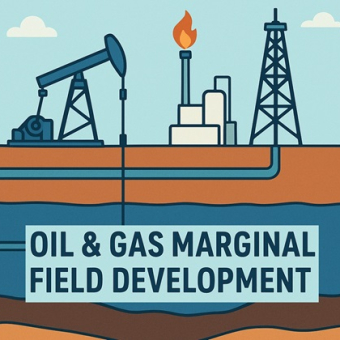
Marginal Field Development
Technical Solutions & Study Cases from Various Fields in Indonesia BACKGROUND: Marginal fields refer to discoveries which have not been exploited for long, due to one or more of the following factors: Very small sizes of reserves/pool to the extent of not being economically viable Lack of infrastructure in the vicinity and profitable consumers Prohibitive…
Rp 10.950.000
Mohon maaf, form komentar dinonaktifkan pada halaman ini.