 >
>- Selamat datang di website PT Fiqry Jaya Manunggal. Semoga anda senantiasa sehat afiat. Kami siap melayani anda

Programmable Logic Controller (PLC) Principle, Practice & Trouble Shooting
Rp 7.950.000| Stok | Tersedia |
| Kategori | Electrical, Instrumentation and Control, Maintenance |
28 - 30 April 2026, Bandung
24 - 26 Agustus 2026, Bandung
07 - 09 September 2026, Bandung
Trainer: Prof. Endra Joelianto, Ir., Ph.D., SMIEEE
Programmable Logic Controller (PLC) Principle, Practice & Trouble Shooting
BACKGROUND:
Programmable Logic Controller (PLCs) are integral to modern industrial automation systems. They control machinery and processes in industries such as manufacturing, oil and gas, automotive, and food production. A PLC consists of hardware and software designed to automate processes that require high reliability, ease of programming, and robustness to environmental factors. As industries increasingly rely on PLCs to streamline operations, it becomes crucial for engineers and technicians to understand how these systems function, how to troubleshoot them effectively, and how to optimize their performance for maximum efficiency. This three-day training program provides a comprehensive understanding of PLC principles, practical applications, and troubleshooting techniques to help professionals maintain and improve automation systems.
OBJECTIVES:
By the end of the training, participants will be able to:
- Understand the basic principles of PLCs, including their components, functions, and operation.
- Program a PLC using ladder logic and other common programming languages.
- Develop practical skills for configuring and implementing PLC systems in various automation environments.
- Troubleshoot and diagnose common PLC problems and faults.
- Utilize diagnostic tools and techniques to improve system reliability and performance.
- Gain knowledge of how to optimize PLC-controlled systems for increased operational efficiency.
- Learn about the latest advancements in PLC technology and how they apply to real-world systems.
RECOMMENDED PARTICIPANTS:
- Maintenance Engineers and Technicians
- Automation Engineers
- Control System Engineers
- Electrical Engineers
- Technicians and Operators
- Project Managers
COURSE OUTLINE:
Introduction to PLCs and Basic Programming
- Session 1: Introduction to PLCs
- Overview of PLC components (CPU, I/O, etc.)
- Types of PLCs and their applications
- Installation, wiring, and setup basics
- Session 2: PLC Programming Languages
- Introduction to Ladder Logic programming
- Basic syntax and functions in Ladder Logic
- Hands-on: Creating simple ON/OFF programs
- Session 3: PLC Communication and I/O
- Digital vs. analog I/O systems
- Working with I/O modules
- Hands-on: Configuring and wiring basic I/O
Advanced Programming, Applications, and Integration
- Session 4: Advanced Ladder Logic Programming
- Using timers, counters, and memory management
- Advanced programming techniques (sequencers, shift registers)
- Hands-on: Developing a complex program
- Session 5: PLC Integration with Other Systems
- PLC and SCADA/HMI systems integration
- Communication protocols (Modbus, Profibus, etc.)
- Hands-on: Integration of PLC with SCADA or HMI
- Session 6: Practical PLC Applications
- Real-world applications in manufacturing and process control
- PLC in motion control and robotics
- Hands-on: Implementing a basic control system
PLC Troubleshooting and Optimization
- Session 7: Common PLC Faults and Troubleshooting
- Identifying common PLC faults (I/O, power, communication issues)
- Troubleshooting tools and diagnostic methods
- Hands-on: Troubleshooting a PLC fault simulation
- Session 8: Preventive Maintenance and Optimization
- Best practices for PLC preventive maintenance
- Optimizing PLC programs for reliability
- Hands-on: Optimizing a PLC control system
- Session 9: Advanced Troubleshooting and Case Study
- Analyzing a complex PLC failure scenario
- Review of troubleshooting steps and methods
- Hands-on: Solving real-world PLC problems
ABOUT THE COURSE LEADER:
Prof. Ir. Endra Joelianto, Ph.D., SMIEEE is an expert in control engineering. His outstanding research is: Hybrid Control Systems, Discrete Event Control Systems, Petri Nets Analysis and Application on PLC, Robust PID Controller, Advanced Process Control, Industrial Automation using PLC/ DCS. He received first degree (Ir.) in Engineering Physics in 1990 from Department of Engineering Physics, ITB and Doctor of Philosophy (PhD.) in Control Engineering in 2001 from Department of Engineering, The Australian National University, Australia.
Programmable Logic Controller (PLC) Principle, Practice & Trouble Shooting

Spare Parts Management
Background Spare parts merupakan elemen kritis dalam mendukung keandalan operasi, efektivitas pemeliharaan, dan ketersediaan aset di industri manufaktur, migas, pembangkit, dan petrokimia. Pengelolaan spare parts yang tidak optimal dapat menyebabkan downtime tinggi, pembengkakan biaya inventori, serta risiko kekurangan material kritis. Melalui sistem Spare Parts Management yang terencana dan terintegrasi, perusahaan dapat memastikan ketersediaan suku cadang…
Rp 7.950.000
Hazard & Operability Studies (HAZOPS) & Hazard Identification Study (HAZIDS)
BACKGROUND: HAZOP means hazard studies (HAZARD) & Operability. It is a systematic method of analysis of the operability parameters deviations using a specific vocabulary. The required documents in order to accomplish the study are the equipment sketches (PID, PFDs) and a process description. HAZID- is a utilized technique for the identification of the significant hazards…
Rp 11.950.000
Fundamental of Machinary Lubrication
BACKGROUND: Fundamental of Machinary Lubrication knowledge are very essential to those working on rotating equipment & maintenance. Bearings are machine components support and position the rotor of the machine to ensure they are in the correct position. Supported by proper lubrication and the availability of power then; The rotor rotates with the correct alignment; The…
Rp 7.950.000
Relay Protection
BACKGROUND: Relay adalah Saklar (Switch) yang dioperasikan secara listrik dan merupakan komponen Electromechanical (Elektromekanikal) yang terdiri dari 2 bagian utama yakni Elektromagnet (Coil) dan Mekanikal (seperangkat Kontak Saklar/Switch). Relay menggunakan Prinsip Elektromagnetik untuk menggerakkan Kontak Saklar sehingga dengan arus listrik yang kecil (low power) dapat menghantarkan listrik yang bertegangan lebih tinggi. Sebagai contoh, dengan Relay…
Rp 7.950.000
Boiler Control Burner Management System
BACKGROUND: The Boiler Control Burner Management System (BCBMS) is critical for ensuring the safe, efficient, and reliable operation of industrial boilers in energy production facilities. These systems integrate advanced control technologies to optimize combustion processes, manage fuel-air ratios, and enhance energy efficiency while adhering to stringent safety standards. Proper understanding and management of BCBMS are…
Rp 7.950.000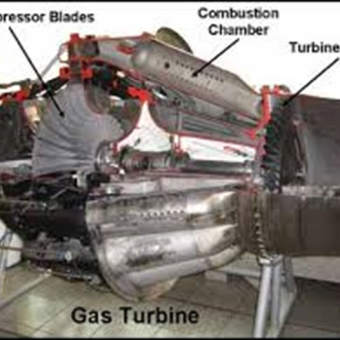
Gas Turbine & Compressor Operation & Maintenance
BACKGROUND: Gas turbines and compressors are critical components in various industries, including power generation, oil and gas, and petrochemicals. Their efficient operation and maintenance are essential for ensuring reliability, optimizing performance, and minimizing downtime. This training program is designed to provide participants with a comprehensive understanding of gas turbine and compressor systems, including their principles…
Rp 7.950.000
