 >
>- Selamat datang di website PT Fiqry Jaya Manunggal. Semoga anda senantiasa sehat afiat. Kami siap melayani anda
 click image to preview
activate zoom
click image to preview
activate zoom

Electrical Safety, Theory & Application
Rp 7.950.000| Stok | Tersedia |
| Kategori | Electrical, Engineering, Q-HSE |
13 - 15 April 2026, Bandung
06 - 08 Juli 2026, Bandung
16 - 18 November 2026, Bandung
TRAINERS: Ali Mashar, M.Eng.Sc., IPU & Supriyanto, S.T., M.T
Electrical Safety, Theory & Application
BACKGROUND:
Electrical safety is vital in both workplace and home environments. While we use electricity daily, the risks are significantly higher in work settings, especially when high-voltage equipment is involved. Workers like engineers, electricians, technicians, and power line workers are directly exposed to electrical hazards. Office workers and salespeople, though less directly exposed, may still face risks.
The Occupational Safety and Health Administration (OSHA) has set electrical safety standards to address these workplace hazards. These standards aim to protect workers from dangers such as electric shock, electrocution, fires, and explosions. OSHA’s goal is to reduce these risks by establishing safety design standards for electrical systems and equipment.
This session will provide essential knowledge on working safely with electricity, following industry standards and best practices. Understanding these guidelines is crucial to protect both yourself and others from electrical hazards.
OBJECTIVES:
By the end of this session, participants will be able to:
- Identify four types of injuries caused by electrical contact.
- Recognize the three main electrical hazards in the workplace and learn how to mitigate them.
- Understand at least three methods of electrical hazard protection.
- Describe the functions of a Ground Fault Circuit Interrupter (GFCI).
- Identify at least three warning signs indicating an electrical hazard.
- Follow electrical safety procedures and adhere to standard codes.
- Improve hazard recognition and the mitigation of electrical safety risks.
RECOMMENDED PARTICIPANTS:
This course is suitable for:
- Electrical Technicians, Supervisors, Engineers, and Managers
- Maintenance Teams
- Production Teams
COURSE OUTLINE:
- Introduction to Electrical Safety
- Electricity Hazards
- How Electricity Works
- Types of Electrical Hazards
- Working on energized (hot) circuits
- Loose connections
- Frayed or missing insulation
- Missing ground prongs on plugs
- Water & electricity don’t mix
- Damaged power tools
- Ungrounded equipment
- Improper use of extension cords
- Electrical Protection
- Electrical Safety Rules & Standard Codes
- Properly grounded electrical circuits
- Ground fault protection near water sources
- Insulated power tools
- Electrically rated Personal Protective Equipment
- Proper housekeeping
- Don’t overload circuits
- Lockout – Tagout
ABOUT THE COURSE LEADER:
Ali Mashar, M.Eng.Sc., IPU/Supriyanto, S.T., M.T
Ali Mashar is a highly experienced electrical engineer, with an M.Eng.Sc. from the University of New South Wales (UNSW), Sydney, Australia. He specializes in power and control engineering and has extensive experience in energy conversion. Ali has served as the Head of Energy Conversion Engineering at Politeknik ITB (POLBAN) and as a lecturer. He is also the head of the Laboratory of Energy Engineering at PEDC.
Since 2010, Ali has conducted in-house and public training on electrical and control systems, energy conservation, and electrical safety. His training has benefited both local and multinational companies such as Indonesia Power, Pemda Papua, PT. Badak, Chevron, Freeport, and more.
In addition to his teaching, Ali has worked on numerous real-world projects in power generation and conducted various energy audits, providing practical expertise to the industry.
Electrical Safety, Theory & Application

Pemeliharaan Proteksi Peralatan Elektrikal & Supervisory Pembangkit
BACKGROUND: Peralatan elektrikal pada pembangkit listrik merupakan elemen vital dalam menjaga kontinuitas operasi, keamanan, dan efisiensi sistem. Salah satu komponen utama dalam sistem elektrikal adalah proteksi peralatan yang dirancang untuk mendeteksi dan mencegah potensi gangguan atau kerusakan yang dapat menyebabkan downtime maupun kecelakaan kerja. Selain itu, sistem supervisory memastikan pengawasan dan kendali berjalan secara optimal…
Rp 7.950.000
Vibration and Alignment Measurement and Analysis
BACKGROUND: Vibration & miss-alignment merupakan salah satu kesalahan operasi yang menyebabkan kerusakan peralatan yang secara umum menurunkan efisiensi suatu plant. Untuk menghindari hal tersebut, diperlukan cara pengukuran, monitoring dan analisa data yang benar agar dapat diambil tindakan yang tepat guna menjaga efisiensi peralatan. TRAINING OBJECTIVES: Improve Advance Vibration knowledge Understand how to select and use…
Rp 7.950.000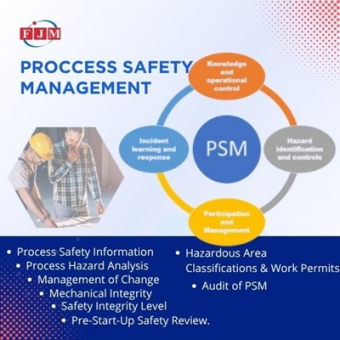
Process Safety Management
BACKGROUND Process Safety Management (PSM) atau Manajemen Keselamatan Proses (MKP) dilaksanakan oleh perusahaan-perusahaan atau industri kimia/ petro-chemical, minyak & gas bumi (migas) setelah beberapa kejadian fatal yang telah banyak menelan korban jiwa dan harta benda seperti kasus Flixborough (Juni 1974), Seveso (Juli 1976), Bhopal (Desember 1984), Piper Alpha (Juli 1988), dan lain sebagainya . Dalam…
Rp 7.950.000
Non-Destructive Examination (NDE)
BACKGROUND: Non-Destructive Examination (NDE) adalah metode inspeksi yang digunakan secara luas di berbagai industri, termasuk minyak dan gas, manufaktur, dan pembangkit listrik. Pengujian ini dilakukan tanpa merusak material atau komponen, sehingga penting untuk menjaga integritas operasional peralatan. NDE memberikan informasi tentang kondisi internal dan eksternal material, memungkinkan deteksi cacat lebih dini untuk meminimalkan risiko kegagalan….
Rp 7.950.000
Gas Hazard & Measurement
BACKGROUND: Gas Hazard & Measurement is a training program designed to address gas as a highly flammable material, requiring special control and handling. A solid understanding of anticipating and measuring potential gas hazards is essential before utilizing it for various purposes. . Numerous fires, explosions, and poisoning incidents occur due to negligence in recognizing gas…
Rp 7.950.000
Basic Process Safety for Operation Personnel
Background Industri proses seperti migas, petrokimia, pembangkit, dan manufaktur kimia memiliki potensi bahaya tinggi akibat penggunaan fluida berbahaya, tekanan dan temperatur tinggi, serta sistem operasi yang kompleks. Banyak kecelakaan besar di industri proses terjadi bukan hanya karena kegagalan peralatan, tetapi juga akibat kurangnya pemahaman personel operasi terhadap prinsip dasar process safety. Process safety berbeda dengan…
Rp 7.950.000