 >
>- Selamat datang di website PT Fiqry Jaya Manunggal. Semoga anda senantiasa sehat afiat. Kami siap melayani anda
 click image to preview
activate zoom
click image to preview
activate zoom

Electrical Safety, Theory & Application
Rp 7.950.000| Stok | Tersedia |
| Kategori | Electrical, Engineering, Q-HSE |
13 - 15 April 2026, Bandung
06 - 08 Juli 2026, Bandung
16 - 18 November 2026, Bandung
TRAINERS: Ali Mashar, M.Eng.Sc., IPU & Supriyanto, S.T., M.T
Electrical Safety, Theory & Application
BACKGROUND:
Electrical safety is vital in both workplace and home environments. While we use electricity daily, the risks are significantly higher in work settings, especially when high-voltage equipment is involved. Workers like engineers, electricians, technicians, and power line workers are directly exposed to electrical hazards. Office workers and salespeople, though less directly exposed, may still face risks.
The Occupational Safety and Health Administration (OSHA) has set electrical safety standards to address these workplace hazards. These standards aim to protect workers from dangers such as electric shock, electrocution, fires, and explosions. OSHA’s goal is to reduce these risks by establishing safety design standards for electrical systems and equipment.
This session will provide essential knowledge on working safely with electricity, following industry standards and best practices. Understanding these guidelines is crucial to protect both yourself and others from electrical hazards.
OBJECTIVES:
By the end of this session, participants will be able to:
- Identify four types of injuries caused by electrical contact.
- Recognize the three main electrical hazards in the workplace and learn how to mitigate them.
- Understand at least three methods of electrical hazard protection.
- Describe the functions of a Ground Fault Circuit Interrupter (GFCI).
- Identify at least three warning signs indicating an electrical hazard.
- Follow electrical safety procedures and adhere to standard codes.
- Improve hazard recognition and the mitigation of electrical safety risks.
RECOMMENDED PARTICIPANTS:
This course is suitable for:
- Electrical Technicians, Supervisors, Engineers, and Managers
- Maintenance Teams
- Production Teams
COURSE OUTLINE:
- Introduction to Electrical Safety
- Electricity Hazards
- How Electricity Works
- Types of Electrical Hazards
- Working on energized (hot) circuits
- Loose connections
- Frayed or missing insulation
- Missing ground prongs on plugs
- Water & electricity don’t mix
- Damaged power tools
- Ungrounded equipment
- Improper use of extension cords
- Electrical Protection
- Electrical Safety Rules & Standard Codes
- Properly grounded electrical circuits
- Ground fault protection near water sources
- Insulated power tools
- Electrically rated Personal Protective Equipment
- Proper housekeeping
- Don’t overload circuits
- Lockout – Tagout
ABOUT THE COURSE LEADER:
Ali Mashar, M.Eng.Sc., IPU/Supriyanto, S.T., M.T
Ali Mashar is a highly experienced electrical engineer, with an M.Eng.Sc. from the University of New South Wales (UNSW), Sydney, Australia. He specializes in power and control engineering and has extensive experience in energy conversion. Ali has served as the Head of Energy Conversion Engineering at Politeknik ITB (POLBAN) and as a lecturer. He is also the head of the Laboratory of Energy Engineering at PEDC.
Since 2010, Ali has conducted in-house and public training on electrical and control systems, energy conservation, and electrical safety. His training has benefited both local and multinational companies such as Indonesia Power, Pemda Papua, PT. Badak, Chevron, Freeport, and more.
In addition to his teaching, Ali has worked on numerous real-world projects in power generation and conducted various energy audits, providing practical expertise to the industry.
Electrical Safety, Theory & Application

Engineering Economic Analysis
PENDAHULUAN: Para insinyur, manajer teknik, atau bahkan semua orang akan dihadapkan pada dua lingkungan penting yang saling berkaitan, yaitu lingkungan fisik dan lingkungan ekonomi. Pengetahuan yang baik tentang lingkungan fisik akan banyak mendasari kemampuan seseorang untuk melihat, mengidentifikasi, dan mengendalikan konsep-konsep teknis. Dengan demikian, lingkungan fisik yang ada di sekelilingnya akan bisa digiring pada suatu…
Rp 7.500.000
Supervisi Pekerjaan Coal & Ash Handling
BACKGROUND: Pelatihan Supervisi Pekerjaan Coal & Ash Handling dirancang untuk memberikan pengetahuan dan keterampilan dalam pengawasan pekerjaan terkait pengoperasian, pemeliharaan, dan troubleshooting sistem coal dan ash handling di pembangkit listrik. Fokus pelatihan mencakup pengawasan yang sesuai dengan standar perusahaan untuk memastikan kinerja peralatan yang optimal dan pengendalian risiko operasional. OBJECTIVES: Mengawasi prosedur operasi, pemeliharaan, dan…
Rp 7.950.000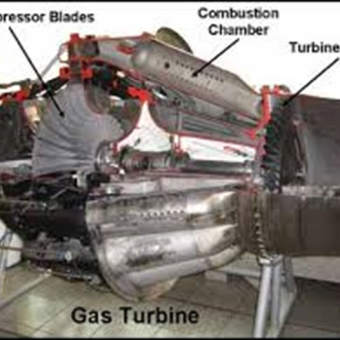
Gas Turbine & Compressor Operation & Maintenance
BACKGROUND: Gas turbines and compressors are critical components in various industries, including power generation, oil and gas, and petrochemicals. Their efficient operation and maintenance are essential for ensuring reliability, optimizing performance, and minimizing downtime. This training program is designed to provide participants with a comprehensive understanding of gas turbine and compressor systems, including their principles…
Rp 7.950.000
Electrical & Mechanical Safety
BACKGROUND: Sebagian besar penyebab kebakaran di perkotaan dan di berbagai perusahaan adalah karena listrik, dimana besarnya kerugian secara material selama tahun 2003 adalah sebesar Rp.23 Milyar! Hal ini merupakan kerugian yang sangat besar dan dapat terjadi di perusahaan mana saja apabila tidak memperhatikan kaidah-kaidah keamanan, khususnya dalam hal ini di bidang electrical & mechanical. Standar…
Rp 7.950.000
Operasi Coal Handling PLTU Batubara
BACKGROUND: Operasi Coal Handling di PLTU Batubara secara baik dan benar merupakan suatu hal yang sangat penting untuk keberlangsungan power generation untuk supply listrik nasional. Memang Batubaru tidak se-flamable BBM, akan tetapi batubara adalah juga bahan bakar yang perlu penanganan khusus. Sampai saat ini batu bara masih termasuk bahan bakar yang dipertimbangkan karena relatif murah,…
Rp 7.950.000
Power Generator Excitation System
BACKGROUND: The excitation system plays a crucial role in ensuring the stability, reliability, and efficiency of power generators. By controlling the generator’s output voltage and reactive power, the excitation system helps maintain the performance and synchronization of the power grid. A well-maintained and properly operated excitation system is essential to prevent system failures, enhance power…
Rp 7.950.000