 >
>- Selamat datang di website PT Fiqry Jaya Manunggal. Semoga anda senantiasa sehat afiat. Kami siap melayani anda
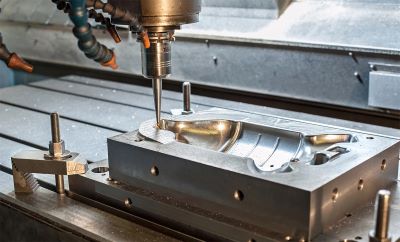
Mechanics of Engineering Materials
Rp 7.950.000| Stok | Tersedia |
| Kategori | 100+ Pelatihan Engineering & Migas Profesional 2026 | Sertifikat Resmi, Engineering, Mechanical |
10-12 Juni 2025, Bandung
Instruktur : Ir. F. Ferryanto, ST., MT
Mechanics of Engineering Materials
BACKGROUND:
Engineering materials are the foundation of all mechanical and structural designs. Understanding the behavior and properties of materials under different loading conditions is critical for designing safe, efficient, and durable structures and components. The study of the mechanics of engineering materials provides engineers with the tools to predict material performance, analyze failures, and select appropriate materials for various applications.
This training is designed to offer participants a thorough understanding of the principles, methodologies, and applications of material mechanics. It will focus on stress-strain relationships, failure analysis, and material properties critical to the engineering design process.
OBJECTIVES:
By the end of this training, participants will be able to:
- Understand the fundamental principles of the mechanics of engineering materials.
- Analyze stress, strain, and deformation in materials under various loading conditions.
- Identify and evaluate the mechanical properties of engineering materials.
- Apply failure criteria to predict and prevent material failure.
- Select appropriate materials based on mechanical behavior for engineering applications.
RECOMMENDED PARTICIPANTS:
This training is highly beneficial for:
- Mechanical and Civil Engineers.
- Design Engineers and Structural Engineers.
- Quality Assurance and Testing Professionals.
- Maintenance Engineers and Supervisors.
- Technicians involved in materials testing and evaluation.
COURSE OUTLINE:
1. Introduction to Engineering Materials
- Overview of material classifications and applications.
- Importance of mechanics in material engineering.
2. Stress and Strain Analysis
- Definitions of stress and strain.
- Stress-strain diagrams and material behavior.
- Axial, shear, and torsional loading.
3. Mechanical Properties of Materials
- Elasticity, plasticity, and toughness.
- Hardness, ductility, and resilience.
- Testing methods for mechanical properties.
4. Theories of Failure
- Types of material failure (ductile and brittle).
- Failure criteria: Maximum stress, strain energy, and Mohr’s theory.
- Fracture mechanics and fatigue.
5. Material Behavior Under Complex Loading
- Bending and torsion analysis.
- Combined loading scenarios.
- Stress concentration and its effects.
6. Engineering Applications of Materials
- Material selection for specific engineering applications.
- Case studies on material failures and solutions.
ABOUT THE COURSE LEADER:
Ir. F. Ferryanto, ST., MT is an expert in mechanical and materials engineering with extensive academic and practical experience. He has worked on numerous projects involving material testing, design optimization, and failure analysis. His teaching methodology combines theoretical concepts with practical examples, ensuring participants gain actionable insights and industry-relevant skills.
With a Master’s degree in Materials Engineering and years of experience as a professional engineer, Ferryanto is passionate about empowering engineers to make informed decisions in material selection and design. His approachable teaching style and industry knowledge make him an invaluable resource for this training.
Mechanics of Engineering Materials

Failure Mode and Effect Analysis (FMEA)
BACKGROUND: Failure mode and effect analysis adalah alat yang sangat bermanfaat untuk mencegah kegagalan proses dan produk. FMEA adalah metoda untuk mengidentifikasi dan mengevaluasi kegagalan potensial, menentukan tingkat resiko dari dari kegagalan dan skala prioritas untuk mengambil tindakan yang diperlukan. FMEA dapat menekan biaya karena kegagalan produk. Lebih dari itu, FMEA dapat berfungsi sebagai database…
Rp 7.950.000
Piping Design and Fabrication
BACKGROUND: Sistem perpipaan (piping system) merupakan komponen penting dalam industri minyak dan gas, petrokimia, pembangkit listrik, dan industri proses lainnya. Piping Design and Fabrication (desain dan fabrikasi perpipaan) yang tepat dari sistem perpipaan sangat menentukan efisiensi, keselamatan, dan umur layanan instalasi tersebut. Oleh karena itu, pemahaman mendalam mengenai standar, perhitungan desain, pemilihan material, teknik fabrikasi,…
*Harga Hubungi CS
Hubungan Industrial dan Human Resources Management
BACKGROUND: Hubungan Industrial (HI) dan Human Resources Management (HRM) adalah dua elemen penting dalam pengelolaan sumber daya manusia di perusahaan. HI berfokus pada menciptakan hubungan yang harmonis antara perusahaan, karyawan, dan serikat pekerja, sementara HRM bertujuan untuk mengelola potensi karyawan secara strategis agar mendukung tujuan perusahaan. Di era globalisasi dan perkembangan regulasi ketenagakerjaan yang dinamis,…
Rp 7.950.000
Safety Leadership for Leaders
BACKGROUND: Safety Leadership for Leaders atau jajaran Managers sangat diperlukan terutama untuk pekerjaan atau industri yang mempunyai exposure resiko kerja atau resiko peralatan yang tinggi. Leadership tidak hanya menyangkut manajemen puncak (top manajemen). Akan tetapi juga termasuk pemimpin lini yang langsung membawahi pekerja, semisal Supervisor atau Foreman. Leadership harus mampu menjadi contoh (lead by example)…
Rp 7.950.000
Project Control and Scheduling Using MS Project
BACKGROUND: Aktivitas proyek dapat terjadi di segala bidang di perusahaan, baik proyek fisik (infrastruktur) seperti proyek pembelian peralatan, pemasangan fasilitas, pendirian pabrik baru maupun non fisik seperti proyek pengembangan produk baru,perancangan struktur organisasi, pembuatan sistem informasi manajemen dan peningkatan produktivitas perusahaan. Realitas di lapangan menunjukkan bahwa sering terjadi kegagalan dalam menjalankan proyek disebabkan oleh adanya…
Rp 7.950.000
Gas & Diesel Engines Operation & Maintenance
BACKGROUND: Most facilities require some type of prime mover to supply mechanical power for pumping, electrical power generation, operation of heavy equipment, and to act as a backup electrical generator for emergency use during the loss of the normal power source. Although several types of prime movers are available (gasoline engines, steam and gas turbines),…
Rp 7.950.000