>
>- Selamat datang di website PT Fiqry Jaya Manunggal. Semoga anda senantiasa sehat afiat. Kami siap melayani anda
Introduction to Offshore and Subsea Drilling
Rp 9.950.000| Stok | Tersedia |
| Kategori | 100+ Pelatihan Engineering & Migas Profesional 2026 | Sertifikat Resmi, Oil & Gas |
Introduction to Offshore and Subsea Drilling
Background:
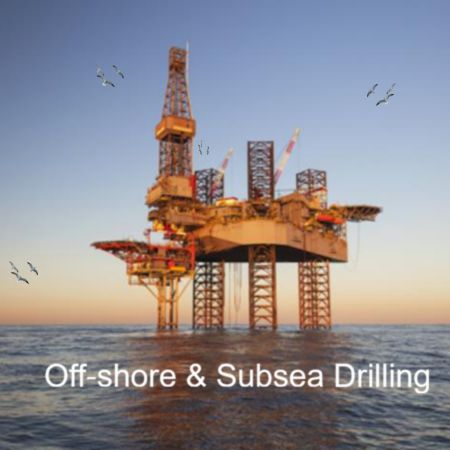
Offshore and subsea drilling are among the most complex and high-risk operations in the upstream oil and gas industry. Compared to onshore drilling, offshore and deepwater operations involve harsher environments, higher costs, sophisticated technologies, and significantly greater safety and environmental risks. From jack-up rigs in shallow water to floating rigs and subsea systems in deep and ultra-deepwater, each operation requires a strong understanding of drilling systems, well design, marine operations, logistics, well control, and regulatory compliance. A solid foundation in offshore and subsea drilling is therefore essential for engineers and professionals who are involved in, or will be exposed to, these challenging operations.
This course is also designed for technical professionals who wish to expand their capabilities in offshore, deepwater, and ultra-deepwater drilling operations. It highlights key operational challenges, well control principles, risk management, safety and environmental requirements, as well as abandonment and relief well operations in accordance with regulatory standards.
Objectives:
- Understand the fundamental differences between onshore, offshore, and deepwater drilling operations.
- Recognize the main components of drilling rigs, well design concepts, and routine offshore drilling activities.
- Perform basic drilling cost analysis including AFE, rig rates, and operational contingencies.
- Identify key equipment and operations on jack-up and floater rigs, including wellheads, BOP, risers, and subsea systems.
- Understand subsea drilling, completion, and well testing operations including ROV involvement.
- Apply fundamental HSE, risk management, and environmental considerations in offshore and deepwater operations.
- Understand deepwater challenges, well control principles, blowout contingency planning, and abandonment & relief wells overview.
Recommended Participants:
Managers, Drilling Engineers, Completion Engineers, Reservoir Engineers, Production Engineers, Well Drilling engineers, Completion engineers, Well Engineers, Drilling and Completion superintendents, Drilling supervisors and any other field personnel that are well related with drilling and completions design and operations and do not have offshore experience or would like to re-enforce it.
Course Outline:
1. Offshore Drilling Basics
a. Definition: Offshore drilling is the process of drilling wells to explore and produce hydrocarbons (oil & gas) located beneath the seabed using specialized marine-based rigs and equipment.
b. Rigs Used:
o Fixed Platform
Permanent structure installed on the seabed, used in shallow water
o Jack-Up Rig
Mobile platform with extendable legs, ideal for shallow-water operations
o Semi-Submersible Rig
Floating platform with high stability, used for deepwater drilling
o Drillship
Ship-shaped drilling vessel with dynamic positioning (DP) for ultra-deepwater
o Swamp Barge Rig
Designed for swamp, marsh, or very shallow water; highly mobile in muddy areas Well Design
2. Subsea Drilling Fundamentals
a. Definition: Subsea drilling refers to drilling operations where the wellhead and production equipment are located on the seabed rather than on the surface platform.
b. Key Components:
o Subsea wellhead: Anchors casing strings and provides pressure control.
o Blowout Preventer (BOP): Critical safety device to prevent uncontrolled release of hydrocarbons.
o Risers: Connect subsea wellheads to surface rigs.
o Umbilicals: Carry hydraulic, electrical, and chemical supplies to subsea equipment.
c. Advantages: Access to deepwater reserves, reduced surface footprint, safer in harsh environments.
d. Challenges: High cost, complex logistics, extreme pressures and temperatures, reliance on remotely operated vehicles (ROVs).
3. Drilling Process
a. Site Survey & Mobilization
Seabed hazard survey, rig positioning
b. Spudding the Well
Initial drilling and setting of conductor casing
c. Drilling & Casing Installation
Drill → run casing → cementing
d. Mud Circulation
Maintains pressure and removes cuttings
e. Formation Evaluation / Logging
Gamma ray, resistivity, porosity measurements
f. Well Completion
Installing tubing, packers, and production equipment
4. Safety & Environmental Considerations
a. Blowout prevention is the most critical safety equipment.
b. Environmental risks include oil spills, seabed disturbance, and marine ecosystem impacts.
c. Mitigation: Strict regulations, redundant safety systems, and real-time monitoring.
Course Leader:
R. Harry Eddyarso – Field Practitioner
Introduction to Offshore and Subsea Drilling
Transformer Maintenance & Operation
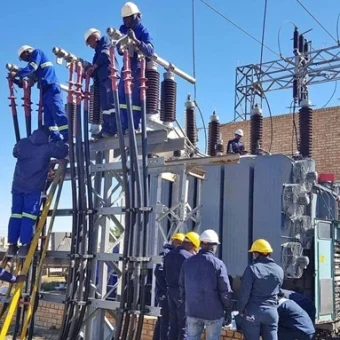
DESKRIPSI: Electric Transformer merupakan salah satu peralatan yang penting dalam industri. Apabila terjadi kerusakan maka akan menimbulkan dampak berkepanjangan dalam sebuah proses industri. Oleh karena itu diperlukan maintenance (perawatan) yang tepat dan berkala agar Electric Transformer tersebut bekerja dengan baik. Melalui pelatihan ini, peserta akan mempelajari tentang prosedur perawatan Trafo yang aman dan tepat. Pelatihan…
Rp 7.950.000
Advance Project Economics & Risk Analysis Strategic Planning & Portfolio Management of Oil and Gas Upstream Business in Indonesia
BACKGROUND: The oil and gas industry in Indonesia is navigating a transformative period, characterized by evolving regulatory frameworks, advancing technologies, and shifting market dynamics. As the country aims to enhance its energy security and sustainability, the role of advanced project economics and risk analysis has become increasingly crucial. Understanding the intricacies of Production Sharing Contracts…
Rp 14.500.000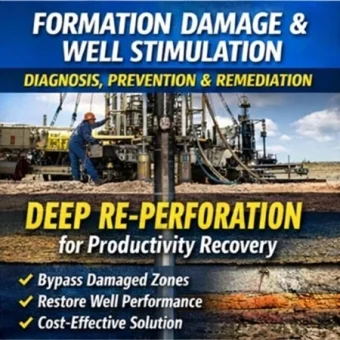
Formation Damage, Well Stimulation
Background: Formation Damage & Well Stimulation is just like a twin children. Formation damage is a common and often unavoidable issue that reduces well productivity and injectivity throughout drilling, completion, production, and workover operations. And Well Stimulation may need to come after. Improper fluid selection, solids invasion, fines migration, scaling, and organic deposition frequently result…
Rp 10.950.000
Energy Audit
BACKGROUND: Berdasarkan Peraturan Pemerintah 70/2009 dan permen ESDM 14/2012 setiap usaha yang menggunakan energi lebih dari 6000 TOE (Ton Oil Equivalent) per tahun wajib menerapkan manajemen energi. Dalam peraturan tersebut manajemen energi terbagi menjadi beberapa kewajiban, diantaranya adalah melaksanakan audit energi secara berkala; melaksanakan rekomendasi hasil audit energi & melaporkan pelaksanaan konservasi energi setiap tahun…
Rp 7.950.000
Gas Production Optimization
BACKGROUND: Dalam training Gas Production Optimization, instruktur akan membawa peserta untuk memahami pertimbangan dalam mendesain dan memilih metoda operasi produksi sumur gas, mulai dari Reservoir, Wellhead, Separator, Gas Processing, Pompa, Pipa Pipa hingga ke Gas Metering. Peserta akan belajar teori, aplikasi dan perhitungan, mulai dari dasar Reservoir Engineering, Production Engineering, kemudian mengenal Gas Properties, Peralatan…
Rp 14.950.000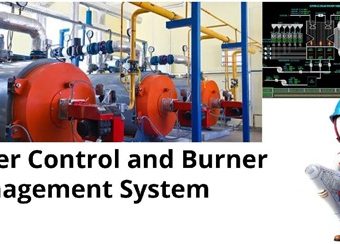
Boiler Control & Burner Management System
OBJECTIVES: Participant will be able to: Understand the benefit of improved boiler process control and saving as result of improved efficiency Develop proper control system documentation Apply principles and methods for flow level measurements to improved boiler operations Specify appropriate strategies for flow, level and pressure control Tuning of boiler control system Implement analyzer measurements…
Rp 7.950.000