 >
>- Selamat datang di website PT Fiqry Jaya Manunggal. Semoga anda senantiasa sehat afiat. Kami siap melayani anda
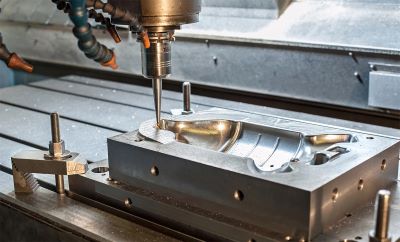
Mechanics of Engineering Materials
Rp 7.950.000| Stok | Tersedia |
| Kategori | 100+ Pelatihan Engineering & Migas Profesional 2026 | Sertifikat Resmi, Engineering, Mechanical |
10-12 Juni 2025, Bandung
Instruktur : Ir. F. Ferryanto, ST., MT
Mechanics of Engineering Materials
BACKGROUND:
Engineering materials are the foundation of all mechanical and structural designs. Understanding the behavior and properties of materials under different loading conditions is critical for designing safe, efficient, and durable structures and components. The study of the mechanics of engineering materials provides engineers with the tools to predict material performance, analyze failures, and select appropriate materials for various applications.
This training is designed to offer participants a thorough understanding of the principles, methodologies, and applications of material mechanics. It will focus on stress-strain relationships, failure analysis, and material properties critical to the engineering design process.
OBJECTIVES:
By the end of this training, participants will be able to:
- Understand the fundamental principles of the mechanics of engineering materials.
- Analyze stress, strain, and deformation in materials under various loading conditions.
- Identify and evaluate the mechanical properties of engineering materials.
- Apply failure criteria to predict and prevent material failure.
- Select appropriate materials based on mechanical behavior for engineering applications.
RECOMMENDED PARTICIPANTS:
This training is highly beneficial for:
- Mechanical and Civil Engineers.
- Design Engineers and Structural Engineers.
- Quality Assurance and Testing Professionals.
- Maintenance Engineers and Supervisors.
- Technicians involved in materials testing and evaluation.
COURSE OUTLINE:
1. Introduction to Engineering Materials
- Overview of material classifications and applications.
- Importance of mechanics in material engineering.
2. Stress and Strain Analysis
- Definitions of stress and strain.
- Stress-strain diagrams and material behavior.
- Axial, shear, and torsional loading.
3. Mechanical Properties of Materials
- Elasticity, plasticity, and toughness.
- Hardness, ductility, and resilience.
- Testing methods for mechanical properties.
4. Theories of Failure
- Types of material failure (ductile and brittle).
- Failure criteria: Maximum stress, strain energy, and Mohr’s theory.
- Fracture mechanics and fatigue.
5. Material Behavior Under Complex Loading
- Bending and torsion analysis.
- Combined loading scenarios.
- Stress concentration and its effects.
6. Engineering Applications of Materials
- Material selection for specific engineering applications.
- Case studies on material failures and solutions.
ABOUT THE COURSE LEADER:
Ir. F. Ferryanto, ST., MT is an expert in mechanical and materials engineering with extensive academic and practical experience. He has worked on numerous projects involving material testing, design optimization, and failure analysis. His teaching methodology combines theoretical concepts with practical examples, ensuring participants gain actionable insights and industry-relevant skills.
With a Master’s degree in Materials Engineering and years of experience as a professional engineer, Ferryanto is passionate about empowering engineers to make informed decisions in material selection and design. His approachable teaching style and industry knowledge make him an invaluable resource for this training.
Mechanics of Engineering Materials

Sistem Kontrol RHVAC
LATAR BELAKANG: Fungsi Refrigeration Heating Ventilating and Air Conditioning (RHAC) adalah untuk mengendalikan kondisi udara di dalam ruang yang ditentukan seperti suhu, kelembaban, kualitas udara, pasokan udara segar dari luar untuk mengendalikan kadar oksigen dan karbon dioksida, dan terakhir, mengendalikan pergerakan udara atau aliran udara. Selama bertahun-tahun, AC telah berubah dari sekadar mendinginkan ruangan menjadi…
Rp 6.950.000
Assets Registered Development
Background: Pengembangan Assets Register (Assets Registered Development) yang akurat dan terstandardisasi merupakan fondasi utama dalam Reliability & Asset Management di industri migas, energi, dan proses. Banyak perusahaan menghadapi tantangan seperti ketidaksesuaian data antar dokumen teknik, inkonsistensi penamaan, sampai kesulitan integrasi ke CMMS atau SAP. ISO 14224 hadir sebagai standar global yang memastikan data aset dikumpulkan,…
Rp 9.500.000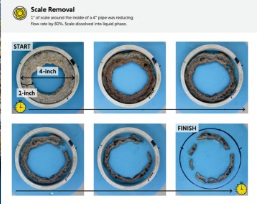
Pipeline Corrosion & Scale Integrity Management
BACKGROUND: Scale and Corrosion di lapangan Oil & Gas Field merupakan tantangan utama yang dapat mengurangi efisiensi operasi, meningkatkan biaya pemeliharaan, dan memperpendek umur peralatan. Scale terbentuk akibat pengendapan mineral di dalam sistem, sementara korosi merusak struktur material akibat interaksi dengan lingkungan yang agresif. Masalah ini tidak hanya memengaruhi produktivitas, tetapi juga membawa risiko terhadap…
Rp 7.950.000
Digital Engineering: Transformasi dari CAD ke BIM
Artikel ini membahas evolusi Digital Engineering, dari metode desain tradisional berbasis CAD ke implementasi Building Information Modeling (BIM) yang canggih. Pelajari bagaimana transformasi ini meningkatkan efisiensi dan kolaborasi dalam proyek-proyek modern.
*Harga Hubungi CS
Advance Pipeline Construction and Operation
BACKGROUND: Onshore pipeline facilities play a strategic role in transporting hydrocarbons safely and efficiently from production fields to processing and distribution points. The success of a pipeline system is determined not only by its design quality, but also by the effectiveness of construction management practices and the reliability of day-to-day operations. Inadequate integration between design,…
Rp 7.950.000
Medium Voltage Electric Switchgear and Circuit Breaker
BACKGROUND: The reliable operation of medium voltage (MV) electric switchgear and power circuit breakers is critical for ensuring the safety and efficiency of electrical systems in industrial and commercial settings. These components play a pivotal role in protecting equipment from faults and maintaining uninterrupted power distribution. However, improper handling, maintenance, or failure to adhere to…
Rp 7.950.000