
- Selamat datang di website PT Fiqry Jaya Manunggal. Semoga anda senantiasa sehat afiat. Kami siap melayani anda
 click image to preview
activate zoom

Petroleum Resources Management System
Rp 7.950.000| Stok | Tersedia |
| Kategori | Manajemen, Oil & Gas |
Petroleum Resources Management System
Background:
The Petroleum Resources Management System (PRMS) is an internationally recognized framework used to classify, evaluate, and report petroleum resources and reserves in a consistent and transparent manner. PRMS goes beyond volumetric estimation by integrating technical maturity, commercial viability, risk, and uncertainty into a project-based decision framework.
For professionals outside the subsurface discipline, PRMS provides a common language that bridges geology, engineering, commercial, and management perspectives. A sound understanding of PRMS is essential for supporting field development planning, investment decisions, portfolio management, and communication with internal and external stakeholders throughout the petroleum project lifecycle.
Objectives:
- Understand the philosophy, structure, and key principles of PRMS
- Explain the classification of petroleum resources and reserves in accordance with PRMS
- Recognize the relationship between PRMS classification and project maturity
- Interpret reserves and resources statements from a non-reservoir perspective
- Understand the role of commerciality, risk, and uncertainty in resource classification
- Apply PRMS concepts to support technical, commercial, and management decision making
Recommended Participants:
- Project Manager
- Production, Facilities, Process, Drilling, & Petroleum Engineer
- Commercial, Planning, Strategy, & Business Development
- Government / Regulator / Auditor (non-reservoir background)
Course Outline:
Fundamental PRMS & Resource Classification
- Introduction to PRMS
- History & organizations behind PRMS (SPE, AAPG, WPC, SPEE, SEG)
- Why PRMS matters for industry & business
- PRMS vs “reserves reporting mindset”
- PRMS Key Principles
- Project-based classification
- Commerciality
- Risk & uncertainty
- Probability concepts (P90, P50, P10)
- Resource Classification Framework
- Total Petroleum Initially In Place (TPIIP)
- Discovered vs Undiscovered Resources
- Movement of volumes across project maturity
- Prospective Resources
- Geological chance of success (GCoS)
- Exploration risk elements
- Volumetric uncertainty
Contingent Resources & Reserves
- 1. Contingent Resources
- Definition & characteristics
- Sub-classes (Development Pending, On Hold, Unclarified, Not Viable)
- Common contingencies:
- Economic
- Regulatory
- Technical
- Infrastructure
- Reserves Classification
- Proved (1P)
- Probable (2P)
- Possible (3P)
- Development status: Developed vs Undeveloped
- Commerciality & Economic Evaluation
- Economic cut-off & project sanction
- Role of fiscal terms (PSC, cost recovery, gross split)
- Price, cost, and sensitivity impact
Application, Reporting & Business Perspective
- PRMS in Project Lifecycle
- Exploration → Appraisal → Development → Production
- Impact of technical maturity on classification
- Role of subsurface & surface integration
- PRMS Reporting & Governance
- Annual reserves & resources reporting
- Internal vs external reporting
- Reserves audit overview
- PRMS for Decision Making
- Portfolio management
- Farm-in / farm-out
- M&A and asset valuation
- Risked vs un-risked volumes
- Integration with Other Frameworks
- PRMS vs SEC
- PRMS vs UNFC
- Alignment with corporate planning & strategy
About The Course Leader
Prof. Dr.-Ing. Bonar Tua Halomoan Marbun
Petroleum Resources Management System
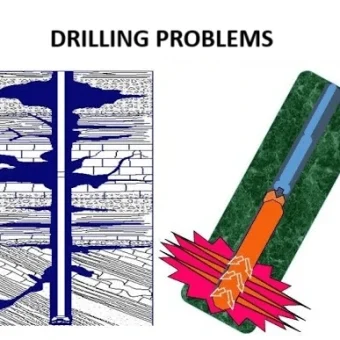
Drilling Problem Analysis
BACKGROUND: Pengeboran sumur minyak dan gas sering kali menghadapi tantangan yang tidak terduga, meskipun telah dilakukan perencanaan yang matang. Drilling Problem Analysis adalah kunci keberhasilan operasi pengeboran, yang melibatkan kemampuan untuk mengidentifikasi dan mengantisipasi potensi masalah serta merancang program pengeboran yang efektif. Pelatihan ini dirancang untuk membekali peserta dengan pengetahuan mendalam tentang analisis masalah pengeboran,…
Rp 10.950.000
Gas Development and Commercialization
BACKGROUND: Natural gas has become an increasingly important energy source. Successful Gas Development and Commercialization demands careful integration of technical, economic, regulatory, and commercial considerations to ensure profitability and sustainability. Not only a cleaner alternative to coal and oil but also as a strategic commodity in the global energy market. Developing gas field requires a…
Rp 7.950.000
Manajemen Aset Berbasis ICT
Background Kompleksitas aset pada industri migas, pembangkit, dan petrokimia menuntut pengelolaan yang terintegrasi, real-time, dan berbasis data. Pemanfaatan Information & Communication Technology (ICT) menjadi enabler utama dalam meningkatkan keandalan aset, efisiensi biaya, keselamatan operasi, serta kepatuhan regulasi. Melalui sistem digital seperti CMMS, EAM, IoT, condition monitoring, data analytics, dan dashboard kinerja, organisasi dapat beralih dari…
Rp 7.950.000
Engineering Economic Analysis
PENDAHULUAN: Para insinyur, manajer teknik, atau bahkan semua orang akan dihadapkan pada dua lingkungan penting yang saling berkaitan, yaitu lingkungan fisik dan lingkungan ekonomi. Pengetahuan yang baik tentang lingkungan fisik akan banyak mendasari kemampuan seseorang untuk melihat, mengidentifikasi, dan mengendalikan konsep-konsep teknis. Dengan demikian, lingkungan fisik yang ada di sekelilingnya akan bisa digiring pada suatu…
Rp 7.500.000
Contractor Safety Management System
BACKGROUND: Contractor Safety Management System (CSMS), yaitu sistem manajemen yang dirancang untuk mengelola dan memitigasi risiko keselamatan bagi kontraktor yang bekerja di lokasi atau proyek tertentu. Dari sisi pemberi kerja (owner), owner ingin memastikan bahawa suatu pekerjaan dilaksanakan sesuai kaidah Q-HSE yang berlaku. Sehingga dibuatlah suatu standar & ketentuan yang harus dipenuhi oleh penyedia barang…
Rp 7.950.000
Hubungan Industrial dan Human Resources Management
BACKGROUND: Hubungan Industrial (HI) dan Human Resources Management (HRM) adalah dua elemen penting dalam pengelolaan sumber daya manusia di perusahaan. HI berfokus pada menciptakan hubungan yang harmonis antara perusahaan, karyawan, dan serikat pekerja, sementara HRM bertujuan untuk mengelola potensi karyawan secara strategis agar mendukung tujuan perusahaan. Di era globalisasi dan perkembangan regulasi ketenagakerjaan yang dinamis,…
Rp 7.950.000