
- Selamat datang di website PT Fiqry Jaya Manunggal. Semoga anda senantiasa sehat afiat. Kami siap melayani anda
 click image to preview
activate zoom
click image to preview
activate zoom
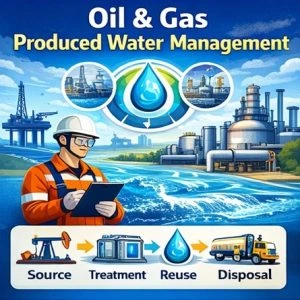
Produced Water Management
Rp 7.950.000| Stok | Tersedia |
| Kategori | Oil & Gas |
Trainer: Ir. In Jumanda Kasdadi, MT.
Bandung, 8-10 Juli, 2026
Bandung, 15-17 December, 2026
Produced Water Management
Background:
Produced water merupakan fluida dengan volume terbesar yang dihasilkan dalam operasi minyak dan gas. Seiring meningkatnya usia lapangan, rasio produced water terhadap hydrocarbon cenderung meningkat dan menimbulkan tantangan teknis, lingkungan, serta biaya operasi yang signifikan. Dengan demikian Produced Water Management menjadi isu teknis, lingkungan, dan ekonomi yang kritikal.
Pengelolaan produced water yang efektif membutuhkan pemahaman terintegrasi mulai dari karakteristik fluida, teknologi pengolahan, hingga strategi pembuangan atau pemanfaatan ulang seperti reinjection. Yang paling penting justru untuk memastikan re-injection tidak mengakibatkan formation damage. Pelatihan ini dirancang untuk membekali peserta dengan pemahaman praktis dan teknis agar mampu mengelola produced water secara aman, efisien, dan sesuai regulasi.
Objectives:
• Memahami karakteristik dan sumber produced water pada operasi migas
• Mengidentifikasi tantangan operasional dan risiko lingkungan produced water
• Menjelaskan teknologi pengolahan produced water sesuai tujuan pengelolaan
• Memahami konsep dan persyaratan produced water reinjection
• Mengevaluasi strategi produced water management yang efektif dan berkelanjutan
• Mendukung kepatuhan terhadap regulasi lingkungan dan internal company standard
Recommended Participants:
• Production Engineer
• Process Engineer
• Facility Engineer
• Reservoir Engineer
• Operation & Maintenance Supervisor
• HSE Engineer
Course Outline:
Fundamentals of Produced Water
1. Introduction to Produced Water
• Definition and sources of produced water
• Produced water generation mechanisms
• Produced water trend during field life
2. Characteristics of Produced Water
• Physical and chemical properties
• Oil, grease, solids, salts, and chemical additives
• Produced water variability by reservoir and process
3. Impacts of Produced Water
• Impact on production and facilities
• Corrosion, scaling, fouling, and emulsion issues
• HSE and environmental implications
4. Overview of Produced Water Management Strategy
• Management hierarchy (minimize, treat, reuse, dispose)
• Integration with production and facility design
• Cost and risk consideration
Produced Water Treatment & Disposal Options
1. Treatment Technologies
• Primary separation (gravity, hydro-cyclone)
• Secondary treatment (flotation, filtration)
• Tertiary / polishing treatment
• Chemical treatment overview
2. Disposal Options
• Overboard discharge concept and limitations
• Disposal well basics
• Selection criteria for disposal options
3. Reuse Concepts
• Reuse for injection purposes
• Reuse for utility or industrial application
• Technical and regulatory considerations
Produced Water Reinjection & Best Practices
1. Produced Water Reinjection (PWRI)
• Objectives of produced water reinjection
• Produced water chemical study
• Inject water compatibility study
• Produced water treatment requirements prior to injection
• Injection well and reservoir considerations
• Reservoir response and monitoring post-injection
2. Regulatory, Environmental & Monitoring Aspects
• Regulatory framework for produced water discharge & injection
• Monitoring parameters and reporting
• Environmental risk management
3. Best Practices & Lessons Learned
• Operational best practices in produced water management
• Common failure modes and mitigation
• Case examples from oil & gas fields
Training Methodology:
• Classroom presentation
• Technical discussion
• Practical examples and case-based explanation
About The Course Leader:
Ir. In Jumanda Kasdadi, MT.
Produced Water Management
| Berat | 300 gram |
| Kondisi | Baru |
| Dilihat | 240 kali |
| Diskusi | Belum ada komentar |

Basic Drilling & Well Completion
Background: Drilling and Well Completion are two critical phases in the lifecycle of an oil and gas well. A successful drilling operation not only ensures the structural integrity of the wellbore but also lays the foundation for effective production and long-term safety. Comprehensive understanding of well design, drilling fluid behavior, equipment selection, and completion strategies…
Rp 7.950.000
Marginal Fields Development
Background: Marginal fields development refers to discoveries which have not been exploited for long, due to one or more of the following factors: • Very small sizes of reserves/pool to the extent of not being economically viable • Lack of infrastructure in the vicinity and profitable consumers • Prohibitive development costs, fiscal levies and or…
*Harga Hubungi CS
Pipeline Corrosion & Scale Integrity Management
BACKGROUND: Scale and Corrosion di lapangan Oil & Gas Field merupakan tantangan utama yang dapat mengurangi efisiensi operasi, meningkatkan biaya pemeliharaan, dan memperpendek umur peralatan. Scale terbentuk akibat pengendapan mineral di dalam sistem, sementara korosi merusak struktur material akibat interaksi dengan lingkungan yang agresif. Masalah ini tidak hanya memengaruhi produktivitas, tetapi juga membawa risiko terhadap…
Rp 7.950.000
Mastering Production Sharing Contract (PSC) & Project Economics
8 – 9 December, 2026 at Kimaya Braga Bandung***** This course is designed so that participants can have more interactive discussions with the instructor. This two-day intensive course provides the participants with a comprehensive understanding of Production Sharing Contracts (PSC) and explain what makes Indonesian PSC different from global PSC. The discussion focus on the…
Rp 14.950.000
6%
Oil & Gas Measurement & Metering Custody
BACKGROUND: This course is developed for engineers and technicians who need to have a practical knowledge of selection, installation and commissioning of oil metering equipment. It is for those primarily involved in achieving effective results in industrial processes. This would involve the design, specification and implementation of control and measurement equipment. The course focuses on…
Rp 7.950.000 Rp 8.500.000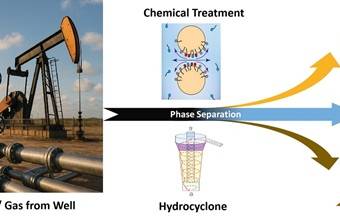
Integrity Chemical Treatment and Selection
Background: Dalam industri migas, Integrity Chemical Treatment & Management menjadi fondasi utama dalam menjaga keberlangsungan operasi, efisiensi produksi, dan keselamatan kerja. Salah satu aspek penting dalam pengelolaan integritas aset adalah pemilihan dan penggunaan chemical treatment. Treatment ini tepat untuk mengatasi berbagai tantangan seperti emulsi, wax, scale, korosi, dan pembentukan hydrate. Ketepatan dalam diagnosis dan penanganan…
Rp 7.950.000
Mohon maaf, form diskusi dinonaktifkan pada produk ini.