 >
>- Selamat datang di website PT Fiqry Jaya Manunggal. Semoga anda senantiasa sehat afiat. Kami siap melayani anda

Process Hazard Analysis (PHA)
Rp 7.950.000| Stok | Tersedia |
| Kategori | Engineering, Maintenance, Production Operation, Q-HSE |
13 - 15 Juli 2026, Bandung
Instructor: Ir. In Jumanda Kasdadi, M.T
Process Hazard Analysis (PHA)
BACKGROUND:
In industrial operations, particularly those involving hazardous processes, the identification, evaluation, and control of potential risks are critical to ensuring safety, environmental compliance, and operational continuity. Process Hazard Analysis (PHA) serves as a systematic approach to identifying hazards, analyzing potential consequences, and implementing measures to mitigate risks. As industrial processes become increasingly complex, the importance of a robust PHA framework has grown, requiring skilled personnel capable of understanding and applying advanced methodologies effectively.
This training program is designed to equip participants with comprehensive knowledge and practical skills in conducting Process Hazard Analysis. By focusing on key techniques such as Hazard and Operability Studies (HAZOP), What-If Analysis, and Failure Modes and Effects Analysis (FMEA), the program aims to enhance participants’ ability to anticipate potential risks, propose preventive measures, and ensure compliance with international safety standards. Through this training, organizations can foster a culture of safety and reliability, empowering their workforce to handle challenges in dynamic industrial environments confidently.
OBJECTIVES:
- How to perform a PHA to meet PSM requirements for initial PHAs and management of change analyses including these critical elements:
- How to prepare for the PHA; Scope the PHA; Collect information; Select the team; Lead a meeting; Document results
- How to analyze operating procedures for critical accident scenarios
- How and when to apply HAZOP, FMEA, and/or what-if/checklist analysis methods to any process system in any industry
RECOMMENDED PARTICIPANTS:
- Process engineers or project engineer
- Operations supervisor
- PSM coordinator
- HSE Managers & Engineers
COURSE OUTLINE:
- Introduction: Learning objectives; Overview of process safety management; Risk assessment concepts; Overview of PHA requirements
- Overview of risk review methods: Risk review methods are crucial throughout the lifecycle of a process. They help in making informed risk judgments and addressing human factors effectively. Understanding human factors concepts and incorporating them during hazard evaluations ensures a thorough and balanced assessment.
- Preparing for the hazard evaluation (risk review or PHA): Preparation is key to successful hazard evaluation. It involves scoping the analysis, selecting appropriate techniques, and determining the level of detail required. Additionally, choosing qualified team members is essential for accurate results. Pre-meeting, meeting, and post-meeting tasks must also be planned carefully to streamline logistics and ensure all procedures are followed efficiently.
- What-if/checklist technique: Workshop: What-if/checklist review of a continuous process
- HAZOP technique: Workshop: HAZOP review of a continuous process
- Analysis documentation, results, and follow-up: Workshop: HAZOP review of a continuous process, HAZOP/what-if techniques for analyzing procedures and batch processes
- Failure Mode Effect Analysis (FMEA): Workshop: FMEA of a critical auxiliary system
- Checklist analysis as supplements to brainstorming methods: Workshop: Using Checklists after brainstorming methods
- Workshop: Estimating the schedule & labor required to perform a PHA
ABOUT THE COURSE LEADER:
Ir. In Jumanda Kasdadi, MT (IJK)
In addition to his duty as lecturer, Mr. Jumanda has delivered almost 280 trainings (public & in-house) in various types of industries, especially for oil and gas companies since 1997. He holds Bachelor and Master Degrees in Chemical Engineering degrees from the Institute Technology Bandung. IJK has also taken courses for 9 topics in The Oil & Gas fields at PETEX (Petroleum Extension), University of Texas at Austin, in Houston, Texas, USA (2018).
Beyond his formal educations, he has many other professional certificates; Lecturer Certificate from Indonesia Minister of Education; Construction, Electrical and Fire Protection Certificates from HSE Association Indonesia (ALPK3); Risk Based Inspection (RBI) Facilitator, Instrumentation Engineering Design for Oil & Gas Project with INtools (Ref.No OGC01-170516200516-2839); HAZOPS and HAZID Certificates from Indonesia Certifying Agency (BNSP).
Companies where he delivered the training to are mostly major intensive capital such as Pertamina, PHE, PHI, PHR, PHKT, PGN, Chevron, ConocoPhillips, Total Indonesie, CNOOC, Medco, Petrochina, Star Energy, Freeport, Mubadala, Indonesia Power, Geothermal Companies, KAI, US Consulate, Freeport, SKK Migas, Titas (Bangladesh), and petrochemical & mining and others.
He was directly involved in many projects of Feasibility Studies (FS), and further Front-End Engineering Design (FEED), Detail Engineering Design for Construction (DEDC) in oil/gas industry, Risk-Based Inspection (RBI), HAZID, HAZOPS, QRA, FTA, SIL Classification, etc; for national and international companies.
Process Hazard Analysis (PHA)

Electrical Power System Analysis Protection
OBJECTIVES: The objective of this course is to provide a comprehensive understanding of Electrical Power System Analysis while enhancing knowledge and skills in Power Generation capabilities. Classroom discussions and problem-solving have been designed to provide the analytical techniques necessary to solve a wide variety of practical problems. In the Electrical Power System Analysis course, participants…
Rp 7.950.000
Database Analysis & Dashboard Reporting
Powerful Database Analysis & Dashboard Reporting using Microsoft Excel BACKGROUND: The process of analyzing data and creating a dashboard summary report from text files imported from large applications, such as SAP/ERP, is still often conducted using time-consuming methods, taking hours or even days, even when using Microsoft Excel. However, by employing advanced methods—already available in…
Rp 6.950.000
Integrated Production Optimization of Oil & Gas
BACKGROUND: Dalam industri minyak dan gas, tantangan operasional yang kompleks seperti fluktuasi produksi, penurunan cadangan, dan peningkatan biaya operasional membutuhkan pendekatan terpadu untuk mengoptimalkan proses produksi. Pelatihan ini dirancang untuk memberikan pemahaman mendalam tentang konsep dan teknik integrasi dari reservoir, sumur, fasilitas permukaan, hingga jaringan distribusi. Dengan pendekatan ini, peserta dapat mengidentifikasi peluang peningkatan efisiensi,…
Rp 10.950.000
Non-Destructive Examination (NDE)
BACKGROUND: Non-Destructive Examination (NDE) adalah metode inspeksi yang digunakan secara luas di berbagai industri, termasuk minyak dan gas, manufaktur, dan pembangkit listrik. Pengujian ini dilakukan tanpa merusak material atau komponen, sehingga penting untuk menjaga integritas operasional peralatan. NDE memberikan informasi tentang kondisi internal dan eksternal material, memungkinkan deteksi cacat lebih dini untuk meminimalkan risiko kegagalan….
Rp 7.950.000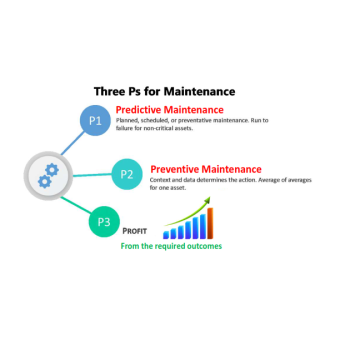
Preventive & Predictive Maintenance
BACKGROUND: Paradigma bahwa maintenance yang selama ini dianggap bagian dari produksi telah berubah dan saat ini maintenance menjadi bagian dari strategi dan bisnis yang menentukan keberhasilan suatu perusahaan dalam menciptakan system perusahaan ber availiability tinggi karena efektifitas yang menyeluruh pada perusahaan ditentukan oleh availiability, sedangkan seperti telah diketahui bersama bahwa availiability ditentukan oleh lamanya uptime…
Rp 7.950.000
Fundamental Project Management
BACKGROUND: As an individual or as an employee, we often experience challenges in managing unique, non-routine (non-recurring) project activities that involve many parties. The challenges that are often faced are generally how to start and guide the project activities to be completed on schedule with the expected quality and efficient costs. The success of a…
Rp 7.950.000