 >
>- Selamat datang di website PT Fiqry Jaya Manunggal. Semoga anda senantiasa sehat afiat. Kami siap melayani anda

Rig and Equipment Selection
Rp 5.950.000| Stok | Tersedia |
| Kategori | Oil & Gas |
Ir. Steve Hartono - 40 years Field Practitioner
Bandung, 10-11 Agustus, 2026
Bandung, 9-10 December, 2026
Rig and Equipment Selection
Background:
Rig and equipment selection is a critical early decision in drilling planning that directly affects safety, operational efficiency, cost, and overall project success. Inappropriate rig selection can lead to operational limitations, excessive non-productive time (NPT), or increased HSE exposure. For example, lack of appropriate knowledge may wrongly select rig rental company during tender evaluation.
This course is designed to provide engineers and supervisors—up to drilling management level—with a structured framework for selecting drilling rigs and major equipment based on well objectives, geological conditions, operational challenges, and economic considerations. The training emphasizes decision-making rather than vendor-specific details.
By combining technical fundamentals with operational and managerial perspectives, participants will gain a holistic understanding of how rig capabilities, equipment configuration, and well requirements must align to deliver safe and efficient drilling operations.
Objectives:
• Understand the classification, capabilities, and limitations of different drilling rig types.
• Identify key technical and operational parameters influencing rig and equipment selection.
• Evaluate well requirements against rig capacity, equipment ratings, and site constraints.
• Integrate safety, cost, logistics, and operational risks into rig selection decisions.
• Enhance decision-making skills for rig selection at engineering and management levels.
• Improve cross-functional alignment between drilling, operations, HSE, and management teams.
Recommended Participants:
• Drilling Engineers
• Petroleum Engineers
• Drilling Supervisors
• Drilling Superintendents
• Drilling Managers
• Well Planning & Operations Personnel
• HSE and QA/QC personnel involved in drilling projects
Course Outline:
1. Overview of Drilling Rig Types
• Land rigs, jack-up rigs, semi-submersibles, and drillships.
• Typical applications, strengths, and limitations of each rig type.
2. Well Requirements and Operational Drivers
• Well depth, trajectory, and hole sizes.
• Formation challenges: pressure, temperature, stability, and losses.
• Onshore vs offshore operational environments.
3. Rig Capacity and Key Selection Parameters
• Hoisting systems, hook load, mast and substructure capacity.
• Rotary system, top drive capacity, and setback requirements.
• Mud systems, pumps, and solids control.
4. Major Drilling Equipment Considerations
• BOP configuration and pressure rating.
• Power systems, hydraulics, and control systems.
• Tubular handling and mechanization level.
5. Safety, HSE, and Regulatory Considerations
• Well control requirements and redundancy.
• Regulatory and local authority constraints.
• Human factors and crew competency considerations.
6. Cost, Logistics, and Contracting Perspective
• Day rate vs capability trade-offs.
• Rig mobilization, site preparation, and logistics constraints.
• Fit-for-purpose vs over-specification risks.
7. Rig Selection Workflow and Decision Framework
• Step-by-step rig selection process.
• Screening criteria and technical evaluation matrix.
• Alignment between engineering recommendation and management approval.
8. Case Studies and Lessons Learned
• Examples of successful and failed rig selection decisions.
• Discussion on how early rig selection impacts drilling performance and cost.
Course Leader:
Ir. Steve Hartono – 40 years Field Practitioner
Rig and Equipment Selection
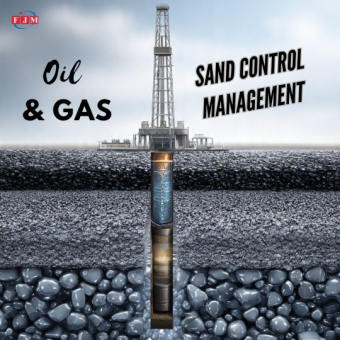
Sand Control Management
BACKGROUND: In oil & gas production, sand production remains a critical issue can significantly impact equipment integrity, production efficiency, & overall operational safety. If not properly managed, produced sand can lead to severe erosion of equipment, flow restrictions, & even complete system failures. Hence, effective sand control management is essential to ensuring long-term well productivity…
Rp 10.950.000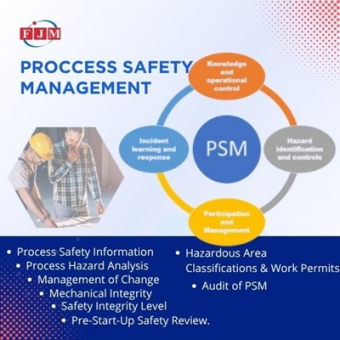
Process Safety Management
BACKGROUND Process Safety Management (PSM) atau Manajemen Keselamatan Proses (MKP) dilaksanakan oleh perusahaan-perusahaan atau industri kimia/ petro-chemical, minyak & gas bumi (migas) setelah beberapa kejadian fatal yang telah banyak menelan korban jiwa dan harta benda seperti kasus Flixborough (Juni 1974), Seveso (Juli 1976), Bhopal (Desember 1984), Piper Alpha (Juli 1988), dan lain sebagainya . Dalam…
Rp 7.950.000
Basic Drilling & Well Completion
Background: Drilling and Well Completion are two critical phases in the lifecycle of an oil and gas well. A successful drilling operation not only ensures the structural integrity of the wellbore but also lays the foundation for effective production and long-term safety. Comprehensive understanding of well design, drilling fluid behavior, equipment selection, and completion strategies…
Rp 7.950.000
Enhance Oil Recovery (EOR)
INTRODUCTION: EOR (Enhance Oil Recovery)adalah metode perolehan minyak tahap lanjut dengan cara menambahkan energi berupa dari material atau fluida pendorong khusus yang tidak terdapat dalam reservoir minyak secara alami. EOR kabanyakan diterapkan pada lapangan atau sumur minyak tua yang telah kehilangan atau kehabisan tenaga dorong produksi dari sumur atau lapangan itu sendiri. Umumnya, EOR diterapkan…
Rp 10.950.000
Extended Reach Drilling (ERD)
BACKGROUND: Pelatihan Extended Reach Drilling (ERD) ini akan difokuskan untuk meningkatkan pemahaman peserta tentang desain dan aspek operasional dan design pada Extended Reach Drilling. Dengan tujuan khusus kegiatan operasi pemboran yang rumit dan menggunakan sudut inklinasi yang tinggi dan Panjang horizontal displacement yang sangat panjang menimbulkan problem tersendiri pada kegiatan operasi nya seperti pipa terjepit,…
Rp 14.950.000
Drilling & Completion Well Integrity
BACKGROUND: Well Integrity adalah penerapan teknis, operasional dan solusi secara terorganisasi untuk mengurangi resiko tidak terkendalinya siklus kehidupan suatu sumur migas dan menciptakan kondisi operasional yang optimum. Beberapa pengaruh dalam melakukan hal ini adalah kondisi sumur, kondisi lingkungan, dan kondisi peralatan yang dirancang dengan baik. Pemahaman secara advanced dari masalah Well Integrity, setidaknya harus mencakup…
Rp 12.950.000
