 >
>- Selamat datang di website PT Fiqry Jaya Manunggal. Semoga anda senantiasa sehat afiat. Kami siap melayani anda

Stuck Pipe Prevention
Rp 10.950.000| Stok | Tersedia |
| Kategori | 100+ Pelatihan Engineering & Migas Profesional 2026 | Sertifikat Resmi, Geothermal, Oil & Gas |
Instructor: Prof. Dr.-Ing. Bonar Tua Halomoan Marbun
Bandung, 2 -4 February, 2026
Bandung, 20 - 22 May, 2026
Bandung, 21 - 23 September, 2026
Stuck Pipe Prevention
Background:
Stuck pipe is one of the most critical and costly problems in drilling operations across the Oil & Gas and Geothermal industries. With more complex well trajectories, smaller hole sizes, and an industry push to “drill to the limit,” the risk of stuck pipe incidents has grown significantly. Although rigs are now supported by advanced mud systems, rotary steerable tools, and downhole sensors, a stuck pipe event can still lead to major Non-Productive Time (NPT), expensive fishing operations, and even the loss of high-value downhole tools. Prevention is far more cost-effective than remediation, and successful prevention requires not only the right tools but also strong operational awareness.
Ultimately, people play the key role in preventing stuck pipe. Effective planning, real-time monitoring, and good decision-making are as important as execution at the rig site. A well-prepared and collaborative drilling team can anticipate risks, recognize early warning signs, and respond promptly to minimize potential stuck pipe incidents. This stuck pipe prevention training is designed to equip participants with the knowledge and practical tools to reduce risks, respond effectively, and ensure safer and more efficient drilling operations.
Objectives:
1. Identify mechanisms and risk factors leading to stuck pipe incidents.
2. Anticipate, prevent, and resolve stuck pipe issues such as wellbore instability, hole cleaning, differential sticking, and poor wellbore geometry.
3. Assess wellbore stress mechanics and their impact on stability.
4. Recognize and interpret early warning signs of developing problems.
5. Apply effective hole cleaning techniques in vertical and deviated wells.
6. Use drilling jars effectively and understand their mechanics.
7. Implement best practices in drilling and tripping to minimize risks.
8. Evaluate cost-effective solutions in planning fishing operations.
Recommended Participants
1. Drilling Engineers, Drilling Supervisors, and Company Men.
2. Rig Site Personnel, including Tool-pushers, Drillers, and Assistant Drillers.
3. Completion and Well Services Engineers.
4. Personnel from Operators, Drilling Contractors, and Service Companies who are involved in drilling operations and well planning.
Course Outline
1. Introduction to Stuck Pipe
- Definition, types, and consequences.
- Impact on cost, time, and safety.
- Importance of prevention vs. remediation.
2. Mechanisms of Stuck Pipe
- Differential sticking, mechanical sticking, and pack-off.
- Real-life case studies and lessons learned.
3. Rock Mechanics & Wellbore Stress
- Understanding rock strength and formation behavior.
- Stress around the wellbore and how it affects drilling.
4. Wellbore Instability
- Causes and consequences of instability.
- Mud weight selection and pressure management.
5. Trend Recognition & Early Warning Signs
- Parameters to monitor (torque, drag, ECD, cuttings load).
- Data interpretation and proactive actions.
6. Hole Cleaning Practices
- Factors affecting hole cleaning.
- Techniques for vertical, deviated, and horizontal wells.
7. Differential Sticking Prevention
- Mechanisms of sticking due to pressure differential.
- Best practices to avoid stuck pipe.
8. Wellbore Geometry & Tripping Practices
- Effect of doglegs, tight spots, and ledges.
- Proper tripping procedures and connection practices.
9. Fishing Operations Overview
- When and how to fish.
- Cost considerations and decision-making for fishing vs. sidetrack.
10. Best Practices & Case Studies
- Practical examples of successful stuck pipe prevention.
- Group discussion and lessons learned.
About The Course Leader
FJM’s Associate Instructor
Stuck Pipe Prevention

Distributed Control System (DCS) Operation Maintenance
BACKGROUND: DCS (Distributed Control System) adalah suatu pengembangan sistem kontrol yang menggunakan komputer dan alat elektronik lainnya. Sistem ini dirancang agar dapat mengontrol loop system secara terpadu sehingga operator yang terlatih dapat mengoperasikannya dengan cepat dan mudah. Selain itu, DCS juga sangat cocok untuk digunakan dalam mengontrol proses atau peralatan di plant dengan skala menengah…
Rp 7.950.000
Big Data and Cloud Computing
BACKGROUND: Big Data dan Cloud Computing sangat terintegrasi, yang dirancang untuk mengelola dan memproses sejumlah besar data tersebut. Skalabilitas dan fleksibilitas Cloud Computing menjadikannya platform yang ideal untuk menangani tantangan unik yang dimiliki oleh Big Data. Big Data mengacu pada data yang sangat besar, sangat bervariasi, dan tumbuh dengan sangat cepat. Seringkali tidak terstruktur, Big…
Rp 5.950.000
Instrumentation, Electrical and Control System
BACKGROUND: Covers the principles of industrial instrumentation, sensor, signal transmission, interfacing, actuator, process control, the operation of basic PID Controller on PLC and DCS. Describe the electronics of instrument, interface device and controller. Also provides the usually found advanced PID configuration in industrial systems. Simple method for PID controller tuning is also discussed. OBJECTIVES: After…
Rp 7.950.000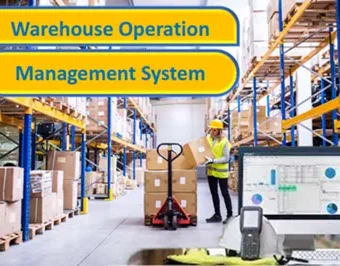
Warehousing Operation Management System
BACKGROUND: Warehouse management refers to the process of executing, monitoring, & optimizing warehouse operations. In many cases proper warehouse management is what will determine how successful a business will be. It won’t matter if you have the most modern warehouse if it’s not operating efficiently. A warehouse management system (WMS) can now involve software designed to optimize…
Rp 7.950.000
Slagging and Fouling Phenomena
Background Slagging dan fouling adalah tantangan operasional yang signifikan bagi tim operasi di pembangkit listrik yang menggunakan batubara sebagai bahan bakar. Pengembangan kompetensi tim operasi sangat penting untuk memastikan bahwa mereka memahami dasar-dasar fenomena ini, serta mampu memprediksi, mencegah, dan memitigasi dampaknya. Pelatihan ini akan membantu meningkatkan keahlian dalam mengelola masalah slagging dan fouling yang…
Rp 13.950.000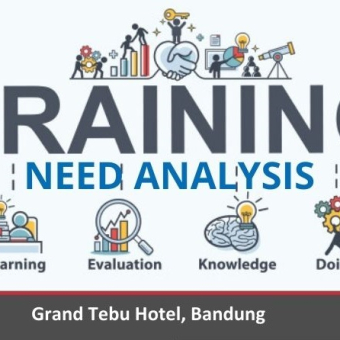
Training Need Analysis (TNA)
INTRODUCTION: Apa Itu Training Need Analysis (TNA)? Training Need Analysis (TNA) atau Analisa Kebutuhan Pelatihan adalah proses penting dalam manajemen sumber daya manusia yang bertujuan untuk mengidentifikasi kebutuhan pelatihan di semua level manajemen. Proses ini dilakukan dengan mempertimbangkan tujuan strategis perusahaan jangka panjang, sehingga setiap pelatihan yang dilakukan dapat memberikan kontribusi signifikan terhadap pencapaian tujuan…
Rp 7.500.000
