
- Selamat datang di website PT Fiqry Jaya Manunggal. Semoga anda senantiasa sehat afiat. Kami siap melayani anda
 click image to preview
activate zoom
click image to preview
activate zoom
Sand Control Management
Rp 10.950.000| Stok | Tersedia |
| Kategori | 100+ Pelatihan Engineering & Migas Profesional 2026 | Sertifikat Resmi, Oil & Gas |
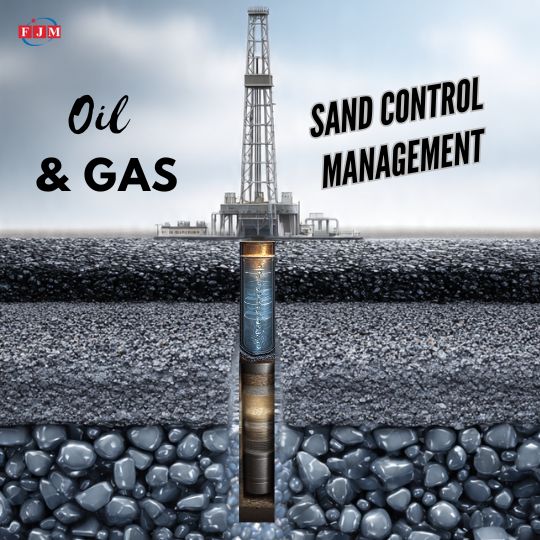
Sand Control Management
BACKGROUND:
In oil & gas production, sand production remains a critical issue can significantly impact equipment integrity, production efficiency, & overall operational safety. If not properly managed, produced sand can lead to severe erosion of equipment, flow restrictions, & even complete system failures. Hence, effective sand control management is essential to ensuring long-term well productivity & minimizing risks.
This sand control management training is designed to equip participants with a comprehensive understanding of sand control challenges & solutions. It covers the fundamentals of sand production mechanisms, sand prediction techniques, & a range of sand control methods such as gravel packing, screen technologies, & chemical consolidation. Practical case studies and technical simulations are also included to strengthen analytical and decision-making skills in field operations.
OBJECTIVES:
– How to Determine the causes of sand production
– Determine the need for sand control
– Select the best sand control method
– Prepare the well for the proper application of sand control
– Apply best practices to ensure successful sand control completions
– Conduct successful frac-packs
– Evaluate sand control performance
– Minimize production losses
– Evaluate new technologies for proper applications
– operational issues related to sand control failure.
Recommended Participants
Drilling, completion, production, and research engineers; field supervisors and production foremen; technical personnel who supply services and equipment
Course Outline
1. Sand Control Techniques
- o Overview of mechanical, chemical, and rate control methods
- Advantages, limitations, and selection criteria of each technique
- Case histories and field applications
2. Radial Flow and Formation Damage
- Fundamentals of radial flow in porous media
- Mechanisms of formation damage during drilling, completion, and production
- Mitigation and remediation strategies
3. Causes and Effects of Sand Production
- Reservoir and rock mechanics considerations
- Wellbore stresses and drawdown effects
- Economic, operational, and safety impacts of sand production
4. Predicting Sand Production
- Rock strength evaluation and failure mechanisms
- Analytical and numerical modeling approaches
- Laboratory testing and field data interpretation
5. Gravel Pack Design
- Principles of gravel sizing and selection
- Gravel-pack carrier fluids and placement techniques
- Design optimization and common challenges
6. Slotted Liners and Wire-Wrapped Screens
- Types, construction, and applications
- Flow efficiency and plugging mechanisms
- Selection criteria and performance evaluation
7. Gravel Pack Completion Equipment and Service Tools
- Packers, crossover tools, and fluid systems
- Pumps, blenders, and surface equipment
- Operational considerations and troubleshooting
8. Well Preparation for Gravel Packing
- Well cleanout and conditioning procedures
- Fluid compatibility and filter cake removal
- Pre-job checks and readiness verification
9. Perforating for Gravel Placement Techniques
- Perforation strategies for effective gravel placement
- Gun selection, shot density, & phasing considerations
- Minimizing damage and ensuring connectivity
10. Perforation Prepacking and Enhanced Prepacking
- Concept and advantages of prepacking techniques
- Fluid systems and placement methods
- Application in unconsolidated formations
11. Frac Packing
- Principles of fracturing with gravel placement
- Fluid and proppant selection
- Design, execution, and performance monitoring
12. Open Hole Gravel Packing
- Techniques and challenges in open hole completions
- Screen installation and gravel placement methods
- Case histories and lessons learned
13. Expandable Screens
- Technology overview and deployment methods
- Advantages compared to conventional screens
- Application in complex wellbore geometries
14. Gravel Pack Performance
- Key performance indicators and monitoring techniques
- Sand control longevity and failure mechanisms
- Post-job evaluation and optimization strategies
15. Horizontal & Directional Wells Completions
- Sand control challenges in deviated & horizontal wells
- Completion options: stand-alone screens, gravel packs, expandable systems
- Best practices and case examples
About The Course Leader
Trainer : Prof. Dr.-Ing. Bonar Tua Halomoan Marbun
Sand Control Management

Relay Protection
BACKGROUND: Relay adalah Saklar (Switch) yang dioperasikan secara listrik dan merupakan komponen Electromechanical (Elektromekanikal) yang terdiri dari 2 bagian utama yakni Elektromagnet (Coil) dan Mekanikal (seperangkat Kontak Saklar/Switch). Relay menggunakan Prinsip Elektromagnetik untuk menggerakkan Kontak Saklar sehingga dengan arus listrik yang kecil (low power) dapat menghantarkan listrik yang bertegangan lebih tinggi. Sebagai contoh, dengan Relay…
Rp 7.950.000
Integrated Production Optimization
Background & Objectives: A production system is the system that transports reservoir fluid from the subsurface to the surface and separates it into oil, gas, and water. From there the oil and gas streams are treated if necessary and prepared for sale or transport from the field. Any water produced will also treated and prepared…
Rp 8.950.000
Flow Assurance for Pipeline System
BACKGROUND: This course will provide an understanding of flow phenomena that can help the participants avoid problems such as hydrate formation, pressure (surge) waves, or high viscosity liquid flow failure. This intensive, four-day intermediate level course addresses several critical problems in achieving pipeline flow assurance. The focus of this course is on potential challenges to…
Rp 7.950.000
Enhance Oil Recovery (EOR)
INTRODUCTION: EOR (Enhance Oil Recovery)adalah metode perolehan minyak tahap lanjut dengan cara menambahkan energi berupa dari material atau fluida pendorong khusus yang tidak terdapat dalam reservoir minyak secara alami. EOR kabanyakan diterapkan pada lapangan atau sumur minyak tua yang telah kehilangan atau kehabisan tenaga dorong produksi dari sumur atau lapangan itu sendiri. Umumnya, EOR diterapkan…
Rp 10.950.000
Advance Project Economics & Risk Analysis Strategic Planning & Portfolio Management of Oil and Gas Upstream Business in Indonesia
BACKGROUND: The oil and gas industry in Indonesia is navigating a transformative period, characterized by evolving regulatory frameworks, advancing technologies, and shifting market dynamics. As the country aims to enhance its energy security and sustainability, the role of advanced project economics and risk analysis has become increasingly crucial. Understanding the intricacies of Production Sharing Contracts…
Rp 14.500.000
Hubungan Industrial dan Human Resources Management
BACKGROUND: Hubungan Industrial (HI) dan Human Resources Management (HRM) adalah dua elemen penting dalam pengelolaan sumber daya manusia di perusahaan. HI berfokus pada menciptakan hubungan yang harmonis antara perusahaan, karyawan, dan serikat pekerja, sementara HRM bertujuan untuk mengelola potensi karyawan secara strategis agar mendukung tujuan perusahaan. Di era globalisasi dan perkembangan regulasi ketenagakerjaan yang dinamis,…
Rp 7.950.000